
Rapid Growth Creates Higher-Risk Work Environments
Austin’s rapid expansion has reshaped its skyline, roadways, and residential footprint. With new developments rising across the city, construction activity has intensified in nearly every direction—commercial towers, residential complexes, infrastructure upgrades, and transportation projects.
While growth signals economic strength, it also creates layered safety challenges. More crews working simultaneously in tighter spaces increases the likelihood of preventable incidents. Multiple contractors, subcontractors, and vendors often operate on the same site, which can blur responsibility when something goes wrong.
In catastrophic injury litigation, that complexity matters. Liability is rarely confined to a single party. Instead, it may involve general contractors, property owners, equipment manufacturers, site supervisors, and third-party vendors all working under overlapping obligations.
Multi-Party Job Sites Complicate Liability
On modern construction sites, responsibility is divided. A general contractor may oversee the project, but subcontractors handle specific portions of the work. Equipment may be rented from outside companies. Safety protocols may be established on paper but inconsistently enforced in practice.
When a serious injury occurs—such as a fall from height, trench collapse, crane incident, or equipment malfunction—the question becomes not just what happened, but who had control over the conditions that made it possible.
This is where catastrophic injury cases become significantly more complex. Liability may depend on contract structures, OSHA compliance, site safety logs, training records, and whether known hazards were addressed or ignored.
Increased Pressure Often Leads to Safety Shortcuts
Construction timelines in a growing city are often aggressive. Developers want projects completed quickly to meet demand, and contractors operate under pressure to stay on schedule and within budget.
That pressure can sometimes result in shortcuts:
- Incomplete safety training
- Overextended crews
- Insufficient site supervision
- Improper use of heavy machinery
- Failure to secure hazardous zones
When safety protocols are rushed or overlooked, the risk of catastrophic injury increases significantly. These are not minor incidents—they often involve life-altering injuries such as traumatic brain damage, spinal cord injuries, severe burns, or amputations.
Equipment and Machinery Add Another Layer of Risk
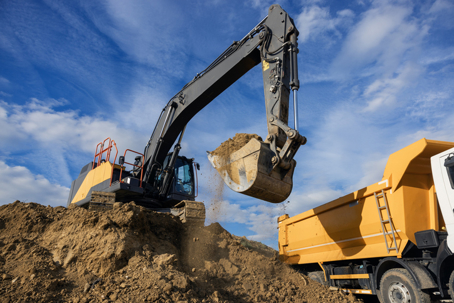
Austin construction sites frequently rely on heavy machinery, including forklifts, cranes, excavators, and industrial vehicles operating in close proximity to workers on foot.
When equipment is improperly maintained, poorly operated, or used in congested areas, the consequences can be severe. In some cases, liability may extend beyond the operator to include equipment manufacturers or maintenance providers.
Product defects, faulty hydraulics, or design flaws can also contribute to catastrophic injury cases. Determining whether an incident stemmed from human error, mechanical failure, or a combination of both requires detailed investigation.
Documentation Often Determines the Strength of a Case
Construction sites generate extensive documentation, including safety manuals, inspection reports, training logs, and incident records. However, these materials are not always complete or preserved after an accident.
In catastrophic injury litigation, early access to documentation can be critical. Without it, key questions about safety compliance and responsibility may become harder to answer.
This is especially important in fast-moving construction environments where multiple contractors may cycle in and out of a project over time.
Understanding Liability Requires a Trial-Ready Approach
Catastrophic injury cases tied to construction sites are rarely straightforward. They often require a deep understanding of industry standards, regulatory requirements, and the practical realities of how job sites operate under pressure.
A trial-ready legal approach focuses on uncovering every layer of responsibility, not just the most obvious one. That means examining contracts, safety practices, supervision structures, and corporate decision-making that contributed to unsafe conditions.
When injuries are severe, the legal process is not just about compensation—it is about accountability for decisions that should have prevented harm in the first place.
Construction Accident Attorneys in Austin
If you or a loved one has suffered a serious injury in a construction-related incident, legal guidance may be essential to understanding your options.
Contact Howry Breen & Herman, LLP at (512) 430-4844 to discuss your situation and learn more about how these cases are evaluated.